The Story Behind The Old Pumphouse

Mak Johal
09/09/25
~3 Mins

The Beginning…
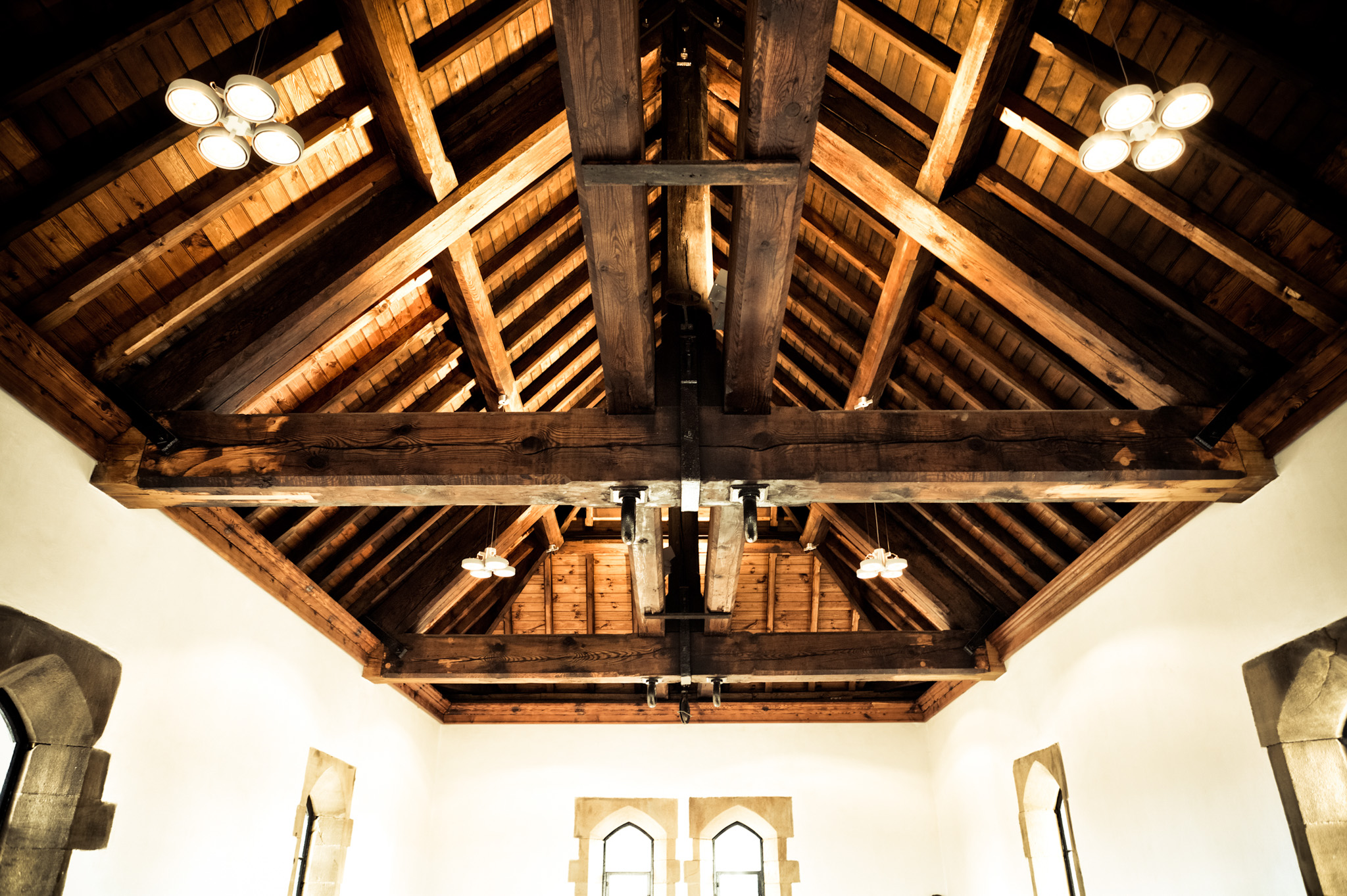
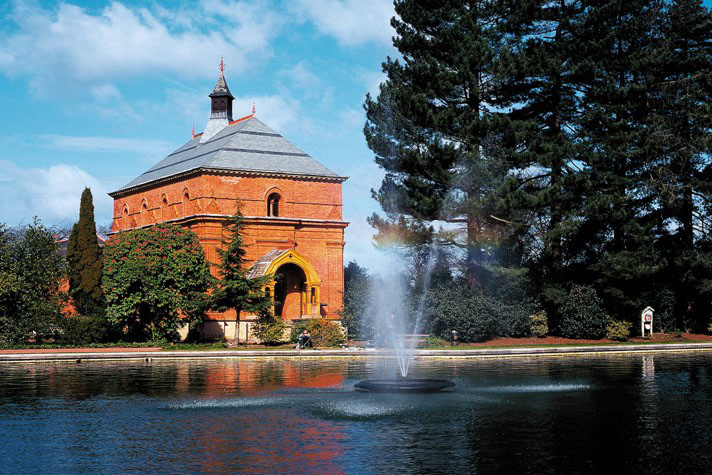
Standing proudly on The Ropewalk, The Old Pumphouse was designed in 1850 by pioneering engineer Thomas Hawksley for the Nottingham Waterworks Company, a building that not only transformed the city’s water supply, but also became a lasting symbol of Victorian innovation.
The Man Behind The Building
Thomas Hawksley was the son of a manufacturer with a strong sense of civic duty. His father famously used a steam engine at his mill to grind corn for Nottingham’s poor, and Hawksley would later echo this spirit, not with corn, but with clean water.
He attended Nottingham High School until the age of 15, later funding scholarships there, before being articled to a local firm of architects specialising in water engineering. By 23, he had become a partner.
Hawksley was remembered in Nottingham for his compassion during the cholera epidemic of 1832, when he designed and supervised the construction of a temporary hospital. His national reputation grew in 1844 at the Health of Towns inquiry, where he championed a constant supply of clean water and safe sewage treatment principles that shaped public health for generations.
By 1852, he had founded his own practice in Westminster and went on to design more than 150 waterworks across Britain, as well as projects in Sweden, Denmark, Bombay and Barbados. Yet many argue that his work on The Ropewalk in Nottingham, and the creation of The Old Pumphouse, remains his finest legacy.
Hawksley’s influence extended well beyond his projects. He was the first president of the Institution of Gas Engineers and Managers, a Fellow of the Royal Society, and in 1871 was elected President of the Institution of Civil Engineers. Five years later, in 1876, he also became President of the Institution of Mechanical Engineers, a rare recognition across multiple disciplines.
Throughout his long career, he was known not only for his technical brilliance but also for his generosity. He often supported promising young engineers, recommending them for positions of responsibility, and quietly offered financial help to those in need. As an employer, he was remembered for his fairness and integrity, earning respect for his unwavering sense of justice.
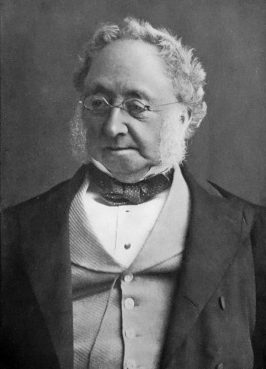
“During the Chartist riots in Nottingham, the gasworks were attacked in an attempt to plunge the town into darkness. The young engineer quickly organised his staff, fortified the site, and prepared to defend it with fire, shot and hot tar—enough to persuade the rioters to retreat.”
What is a Pump Station?
How Did it Work?
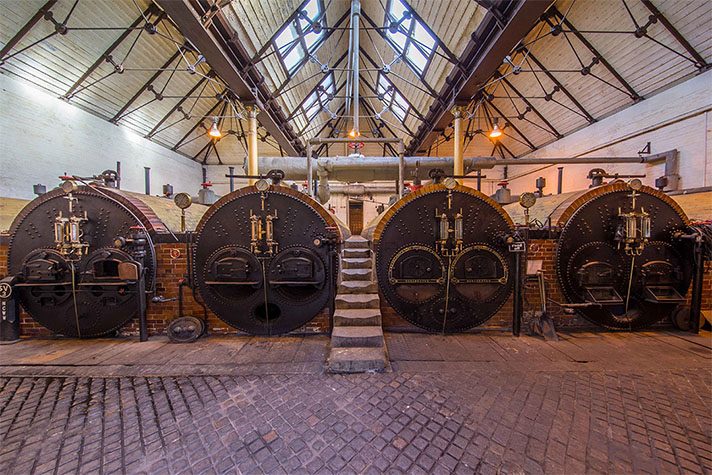
1. Boilers & Steam Generation
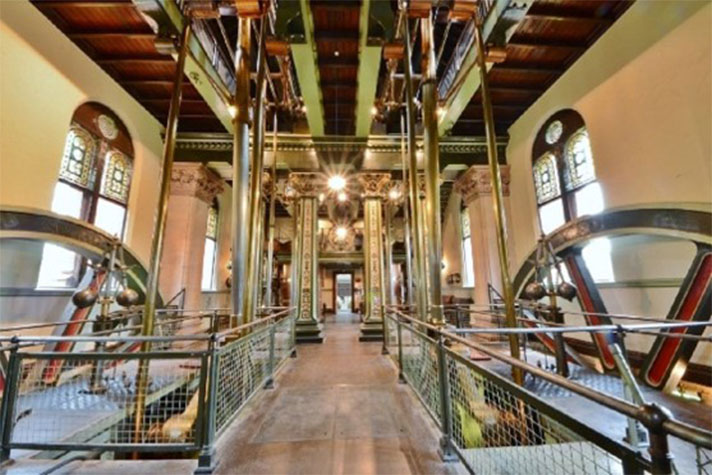
2. Beam Engines
3. Pumping & Distribution
4. Auxiliary Systems
5. Architectural Significance




The Story Continues…
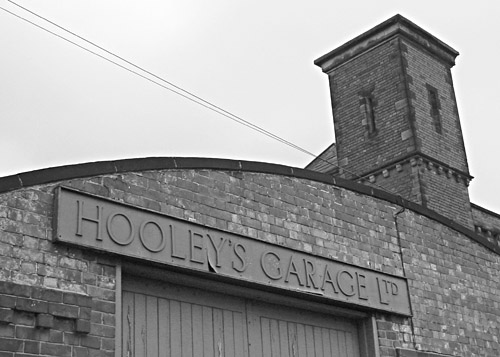
The story of our building started in 1850, when it was first constructed as a pump station to serve Nottingham. After more than forty years of service, pumping operations came to an end in 1895, and by 1907 its great engine and boiler had been dismantled. A few years later, in 1910, plans were submitted to repurpose the site as a Nottingham taxi company. Over the decades, the building adapted to new roles, from a garage in the 1950s, to being owned by Hooley’s Garage Ltd in the 1970s. When Hooley’s moved out in 2003, the building was left vacant and soon appeared on Nottingham City Council’s “at risk” register.
That might have been the end of its story, but in 2007, David Franklin and Andrew Ellis stepped in with a vision to give the building new life. Planning permission and listed building consent followed in 2009, and after extensive restoration, Franklin Ellis Architects officially moved in by 2011.Today, the building stands not just as our office, but as a symbol of resilience, reinvention, and the value of preserving Nottingham’s architectural heritage.